
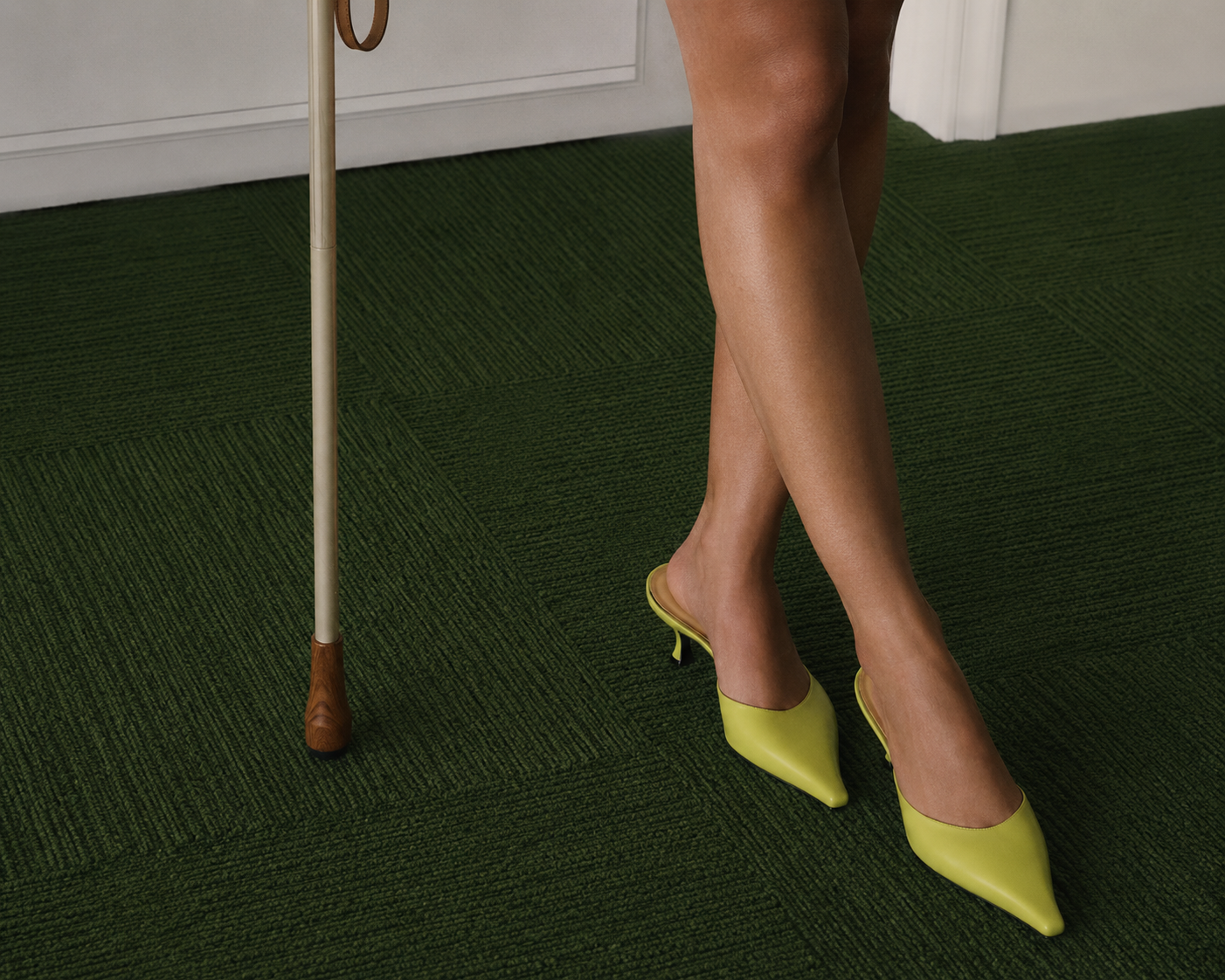
Support should feel like self expression, not compromise.
Wayfarer is an Australian medtech company designing beautiful, innovative mobility aids to elevate the experience of movement.
OUR STORY
Reimagining what mobility support looks like
Wayfarer reimagines mobility aids as covetable accessories - pieces created from design-led innovation that wrap function in style, so support feels like self-expression, not compromise.
Founded by a woman who understands firsthand what it means to navigate the world with a mobility aid, Wayfarer was born from a simple realisation: the current options don't reflect the lives we actually live. Clinical. Childish. Or overtly medical. None felt like us.
We're building a luxury-leaning movement and mobility aid brand for people who refuse to be defined by their diagnosis. Thoughtfully engineered. Elegantly crafted. Designed to integrate seamlessly into modern life - not broadcast limitation.
THE FOUNDERS
Built on lived experience & commercial discipline

Samantha Freidin
CO-FOUNDERWayfarer was born from lived experience and a stubborn refusal to accept the category as it is. Sam is building Wayfarer to replace that story with choice: aids that feel like personal style, support that performs beautifully, a brand that meets you where you are.
She also built and runs Milkshake Creative Agency, with a career spent positioning brands, building communities, and turning complex value propositions into something that moves people to act.

Hendric van Tussenbroek
CO-FOUNDERHendric is Wayfarer's commercial driver, the person who turns vision into a business that can scale. He brings deep experience in revenue growth, sales leadership, and operations across the military and senior leadership roles in organisations of many sizes.
Wayfarer is close to Hendric's heart. He's Samantha's fiancé, and he watched the hard moments up close. That proximity shaped a clear conviction: support should never come with stigma.
WHY US, WHY NOW?
The materials, manufacturing methods, and cultural readiness already exist. What’s been missing is a brand — and a product philosophy — that treats mobility support like a modern consumer category, not a clinical afterthought.
WHAT WE’RE CHANGING
Creating a category leap
Picture the evolution of eyewear. Once purely corrective, glasses transformed into fashion statements. What was medical became covetable. Personal. An extension of identity.
The mobility aid category hasn't meaningfully evolved in decades. This is the gap Wayfarer fills.
01
Innovation Wrapped in Style
Design intelligence, elegance, and innovation into a space long dominated by clinical convention. Mobility aids that look like they belong in your wardrobe, not a hospital corridor.
02
Modular, Adaptable Design
Patented, convertible cane-to-crutch functionality means one elegant system replaces two devices. Modular components allow personal customisation.
03
Engineered for Real Life
Every detail considered. Engineered like medtech, designed like a fashion label.
THE OPPORTUNITY
A $43B global market by 2035
The global mobility aids market is projected to reach AUD $43 billion by 2035. Yet the fastest-growing demographic—people under 65 with mobility-limiting conditions—remains critically underserved, with women disproportionately affected.
Disability prevalence is rising across younger age groups. Women are 50% more likely than men to need mobility aids, yet 20% less likely to use them. The barriers? Stigma, aesthetics, and products designed for outdated assumptions about age, gender, and lifestyle. There is limited choice for anyone seeking something beyond clinical convention.
Wayfarer addresses this gap with precision: a design-led brand built for modern life, where function and form aren't compromises. While women remain our core focus, because they face the steepest barriers, our vision extends to anyone who values elegance, innovation, and mobility without limitation.
$43B
GLOBAL MARKET BY 2035
Growing from USD$18.41 Billion in 2025 to USD$29.62 USD Billion (AUD$43 Billion) by 2035 (CAGR 4.9%)¹, this market is resilient, predictable and investable — driven by long-term demographic trends rather than economic cycles.
1.6B
PEOPLE AGED 65+ BY 2050
The global population aged 65 and over will more than double to 1.6 billion by 2050³.
Longevity increases the duration of mobility support needs, driving sustained demand for assistive products that integrate into everyday life.
40%
CONSUMER-DRIVEN SPEND
Of spend already from individual and home-care consumers across AU, US and UK — supporting DTC brands with stronger margin potential.². This shift supports direct-to-consumer, lifestyle-led brands with stronger margin potential and reduced reliance on institutional procurement.
90%
GLOBAL NEED UNMET
Over 1 billion people require assistive technology today, rising to 2 billion by 2030, yet only 1 in 10 people globally currently have access to the mobility aids they need⁴.
54%
OF NEED DRIVEN BY WOMEN
Women have a higher disability prevalence (19.2% worldwide), and rely on mobility aids for longer due to increased life expectancy. Despite this, women are 20% less likely than men to transition from need to usage, due to stigma, aesthetics, and products designed for outdated assumptions⁷.
WINS & PROOF
Recognition
Founders LIVE Winner
Feb 2026
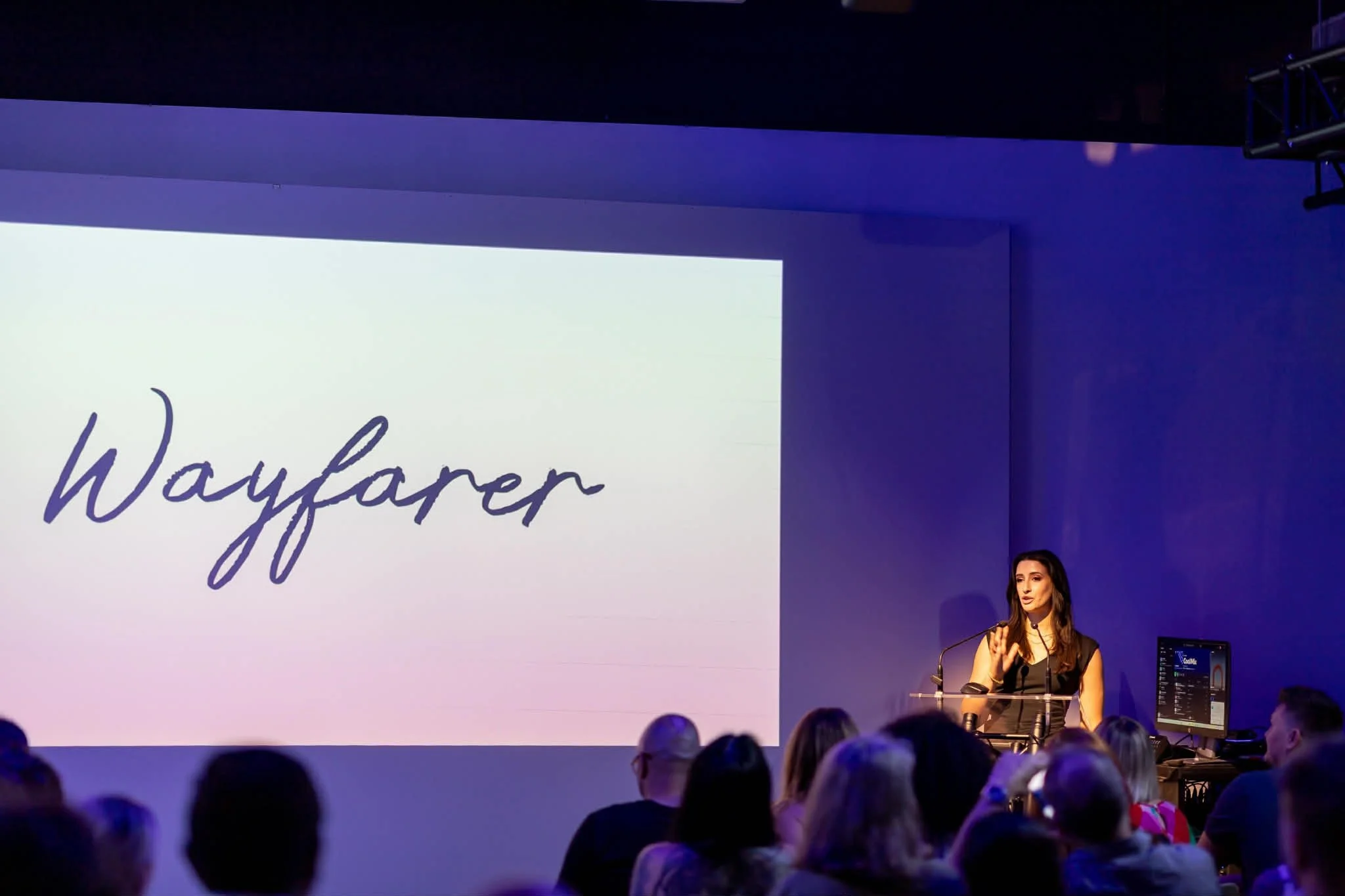
Wayfarer won the Founders LIVE pitch competition in Feb 2026, a pitch built on lived experience and a category 90 second leap that moved the room.
Apr 2026
GRAND FINAL Australia’s Most Unstoppable Founder - 3rd Place
Recognition via One Roof, March Collective, Westpac & LIFT Women for founder story, ambition, and the scale of impact Wayfarer intends to create.
May 2026
One Roof x March Collective Founder Showcase - 3rd Place
Invited to pitch live at Canva HQ as part of the One Roof x March Collective Most Unstoppable Founder Showcase. Wayfarer placed 3rd out of 21 founders in the in-person pitch event (open to the full applicant cohort), and received its first cash prize supported by Westpac
June 2026
The Startup Network Impact Pitch Night - Winner
Won the People’s Choice Award with 41% of the room voting for Wayfarer out of 5 startups who pitched.
August 2026
Australian Women’s Small Business Champion Awards - Finalist
Wayfarer announced as a finalist in the Australian Women’s Small Business Champion Awards in the New Business category.

WHERE WE ARE NOW
Design & engineering
We’re currently pre-revenue with our designs in development.
-
Our core proprietary design; a convertible cane-to-crutch system with modular, replaceable components, is in development
-
We’re adding in much-needed innovation like shock absorption, fold-down mechanisms, ergonomic handle redesigns and integrated wrist support that feels like jewellery
-
We’re optimising our pre-revenue phase by building strategic partnerships with materials suppliers, manufacturing experts and med-tech innovators.
-
We’ve started engaging the community of mobility aid users through the Wayfarer Dinner Club.
GET INVOLVED
Join the movement
Wayfarer exists at the intersection of several powerful currents: the commercialisation of functional products, the mainstreaming of disability representation, the irreversible global ageing population and the rise of design-literate consumers who refuse false choices between utility and beauty.
We're architecting a cultural shift in how the world perceives mobility support, and how people who rely on these tools perceive themselves.
From this, our community is already forming: people who want to be seen for who they are, not what they use.
FOR MOBILITY AID USERS
Contribute
Share your experience, design ideas, or lived experience to help shape the brand and its products by filling out our community survey.
Join the Community
Become part of a curated online space designed for meaningful connection, shared insight, and mutual support.
Follow us across Instagram and Substack for product launches, events, and ongoing updates.

FOR CLINICIANS
Lend your expertise
The clinicians who prescribe, fit and follow up on mobility aids understand this category better than anyone. Help us design for the problems you see in daily practice by filling out our 10 minute healthcare professional survey.

Breakfast, on us
Step out of the clinic and into good company. Our ‘Good Practice’ breakfasts bring together occupational therapists, physiotherapists, GPs and other allied health professionals to connect, compare notes, and share what they are seeing in practice. Your insight helps shape products that work better for the patients you see every day.
FOR INVESTORS
Express Interest
Wayfarer is seeking strategic investment partners who value design innovation, inclusive product development, and meaningful market demand.
If you see mobility as both a structural healthcare market and a cultural opportunity, and understand the value of building a category-defining brand rather than a quick product play, let’s talk.
Stay Connected
Follow our company LinkedIn pagefor the most up-to-date product and brand developments.

Engineered like medtech. Designed like fashion.
Engineered like medtech. Designed like fashion.
THE WAYFARER JOURNAL


OPINION | FASHION | CULTURE